
Fertility Awareness Month: Why Early Fertility Education Matters
By Susan Davies, M.D.
Understanding PCOS and Fertility
PMOS is estimated to affect up to 15% of reproductive aged women worldwide.
Polyendocrine Metabolic Ovarian Syndrome (PMOS), formerly known as Polycystic Ovary Syndrome (PCOS), is one of the most common hormonal conditions affecting fertility. Many women living with PMOS experience irregular ovulation, making it more difficult to conceive naturally.
For patients, questions about PMOS and fertility are often accompanied by frustration, confusion, and uncertainty about what steps to take next.
The good news is that many women with PMOS are able to successfully grow their families with the right evaluation, guidance, and personalized treatment approach.
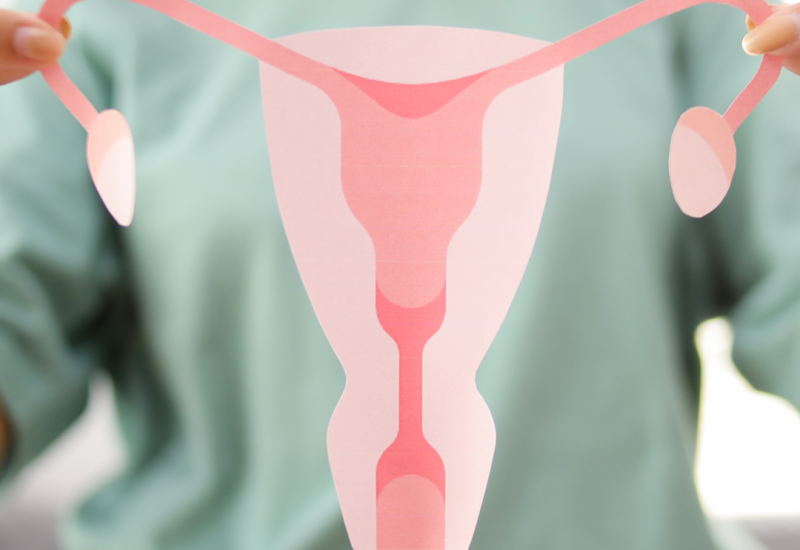
At Davies Fertility & IVF Specialists, care begins with understanding your unique hormonal profile, reproductive health, and long-term family-building goals. PMOS is a hormonal condition that can affect:
• Ovulation
• Menstrual cycles
• Hormone levels
• Egg development
While symptoms vary from patient to patient, common signs of PMOS may include:
• Irregular or missed periods
• Acne or oily skin
• Excess facial or body hair
• Weight fluctuations
• Difficulty becoming pregnant
Some women discover they have PMOS only after trying to conceive.
How PMOS Can Affect Fertility
Ovulation irregularities are one of the primary ways PMOS impacts fertility.
In a typical menstrual cycle, the ovary releases a mature egg each month. With PMOS, ovulation may occur infrequently—or not at all—making conception more difficult.
PMOS may also affect:
• Egg quality
• Hormonal balance
• Insulin regulation
• Overall reproductive health
Because symptoms and hormone patterns can vary significantly, treatment should never be one-size-fits-all.
When Should You Consider Seeing a Fertility Specialist?
Many patients wait longer than necessary before seeking guidance.
You may benefit from a fertility evaluation if:
• You have irregular menstrual cycles
• You’ve been trying to conceive without success
• You were previously diagnosed with PMOS
• You are over 35 and trying to conceive
• You want to better understand your fertility health before trying
An early evaluation can often provide clarity and direction sooner.
Fertility Treatment Options for PMOS
Treatment for PMOS depends on several factors, including:
• Age
• Hormone levels
• Ovulation patterns
• Reproductive goals
• Overall health history
Treatment options may include:
Ovulation Support
Some patients respond well to medications that help regulate or stimulate ovulation.
Lifestyle & Hormonal Management
In some cases, improving hormonal balance and metabolic health can support ovulation and reproductive function.
IUI (Intrauterine Insemination)
For some patients, IUI may be recommended as part of a fertility treatment plan.
IVF (In Vitro Fertilization)
IVF may be considered if:
• Other treatments have not been successful
• Ovulation challenges are more significant
• Additional fertility factors are involved
For many patients, IVF provides both efficiency and greater treatment control.
Why Personalized Treatment Planning Matters
PMOS can present differently from one patient to another. What works well for one person may not be the right approach for another.
At Davies Fertility & IVF Specialists, treatment planning is individualized and physician-led, allowing care to be tailored based on:
• Hormonal patterns
• Ovarian reserve
• Treatment goals
• Timing considerations
• Emotional and physical well-being
This personalized approach helps patients move forward with greater confidence and clarity.
The Emotional Side of PMOS and Fertility
Many women with PMOS describe feeling overwhelmed by:
• Unpredictable cycles
• Delayed timelines
• Online misinformation
• Pressure and uncertainty
Fertility care should address both the medical and emotional aspects of the journey.
Having a supportive, thoughtful care team can make a meaningful difference throughout the process.
Fertility Care Designed Around the Patient At Davies Fertility & IVF Specialists, patients receive:
• Physician-led care
• Personalized fertility evaluations
• Individualized treatment planning
• Compassionate support throughout the journey
Serving patients across Chicago and the North Shore, our goal is to provide fertility care that is both medically advanced and deeply personal.
Related Fertility Topics You May Find Helpful
To learn more about fertility care and treatment options, you may also want to explore:
- Fertility Awareness Month: Why Early Fertility Education Matters
- Frozen Embryo Transfer: What Patients Should Expect
- When to Consider IVF: Signs It May Be Time to See a Specialist
PMOS Frequently Asked Questions
Can you get pregnant with PMOS?
Does PMOS always require IVF?
What fertility treatments are commonly used for PMOS?
When should someone with PMOS see a fertility specialist?
Does age still matter with PMOS?
When to Take the Next Step
When to Take the Next Step
If you’ve been wondering whether PMOS may be affecting your fertility, an evaluation can help provide answers and a clearer path forward.
For many patients, the first step is not treatment—it’s understanding.
Start with Clarity
If you’re exploring fertility care or have questions about PMOS and fertility treatment, we’re here to help guide you through your options.
Schedule a consultation with Dr. Susan Davies to learn more about personalized fertility care.
Contact Us to Schedule a Consultation: 847-972-0300