
Understanding Ectopic Pregnancy: Causes, Symptoms, and Future Fertility
By Susan Davies, M.D.
Moving Forward After an Ectopic Pregnancy
Few experiences are as unexpected and emotionally difficult as an ectopic pregnancy.
For many patients, the diagnosis comes during what was expected to be an exciting chapter. Along with physical recovery often comes a wave of questions, uncertainty, and concern about the future.
One of the first questions many patients ask is:
“Will I ever be able to get pregnant again?”
The answer is often more encouraging than patients realize.
While an ectopic pregnancy is a serious medical condition that requires prompt attention, many women go on to have healthy pregnancies in the future.
Understanding what happened, what it means for future fertility, and when additional evaluation may be helpful can provide reassurance during an understandably difficult time.
Did You Know?
Most women who experience an ectopic pregnancy are able to become pregnant again.
Future fertility depends on many factors, including reproductive health, age, fallopian tube function, and any underlying fertility conditions.
What Is an Ectopic Pregnancy?
An ectopic pregnancy occurs when a fertilized egg implants outside the uterus.
Most ectopic pregnancies occur within a fallopian tube, although they can occasionally occur in other locations.
Because the pregnancy cannot develop normally outside the uterus, medical and/or surgical treatment can be necessary.
An ectopic pregnancy can be a medical emergency and should never be ignored.
Early diagnosis and treatment are important for protecting both health and future fertility.
Common Symptoms and Warning Signs
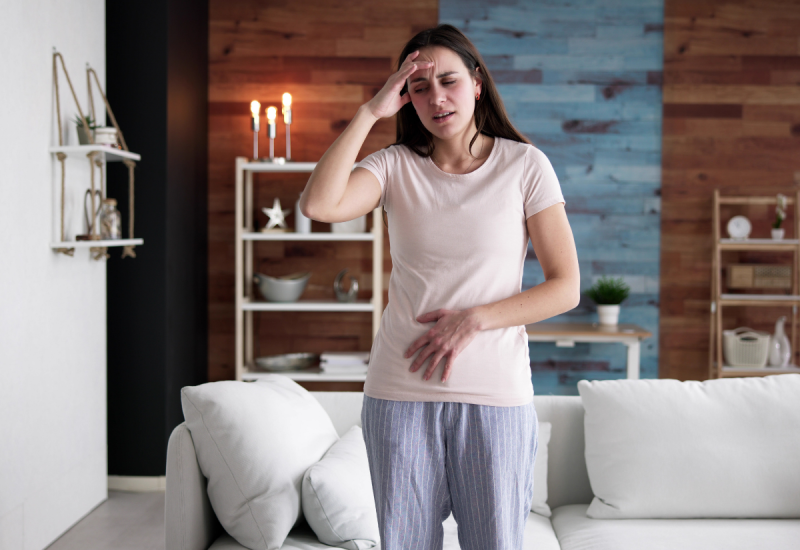
Symptoms can vary from patient to patient.
Common signs may include:
• Pelvic or abdominal pain
• Vaginal bleeding or spotting
• Shoulder pain
• Dizziness or lightheadedness
• Severe abdominal discomfort
Some symptoms may initially resemble those of an early pregnancy or miscarriage, which is why medical evaluation is so important.
Anyone experiencing concerning symptoms during pregnancy should seek immediate medical care.
Why Do Ectopic Pregnancies Occur?
In many cases, there is no single identifiable cause.
However, certain factors may increase risk, including:
• Previous ectopic pregnancy
• Prior pelvic infections
• Endometriosis
• Fallopian tube damage
• Pelvic surgery
• Smoking
• Certain fertility-related conditions
It’s important for patients to understand that experiencing an ectopic pregnancy is not something they caused.
Many occur despite patients doing everything “right.”
How Can an Ectopic Pregnancy Affect Future Fertility?
This is often the question patients are most concerned about.
The answer depends on several factors, including:
• Overall reproductive health
• Whether fallopian tube damage occurred
• Presence of underlying fertility conditions
• Age
• Ovarian reserve
Many patients are relieved to learn that an ectopic pregnancy does not automatically mean infertility.
For some individuals, fertility remains largely unchanged.
For others, additional evaluation may be helpful in understanding future reproductive potential.
Can You Get Pregnant After an Ectopic Pregnancy?
In many cases, yes.
Many women successfully conceive and deliver healthy babies after experiencing an ectopic pregnancy.
Future pregnancy outcomes depend on a variety of factors unique to each patient.
For this reason, individualized fertility evaluation can sometimes provide valuable information about:
• Fallopian tube health
• Ovulation
• Ovarian reserve
• Overall reproductive health
Understanding these factors can help patients move forward with greater confidence.
When Should You Consider a Fertility Evaluation?
Patients may benefit from speaking with a fertility specialist if they:
• Have experienced more than one ectopic pregnancy
• Have known tubal damage
• Have difficulty conceiving after an ectopic pregnancy
• Have concerns about future fertility
• Have additional fertility-related conditions such as endometriosis or PMOS
Some patients simply want a clearer understanding of their fertility health before trying again.
That is completely reasonable.
For many patients, information itself can provide reassurance.
What We Often Hear From Patients
“I’m afraid this means I won’t be able to have children.”
This fear is incredibly common after an ectopic pregnancy.
Patients often arrive carrying not only questions about fertility, but also grief, disappointment, and uncertainty about the future.
One of the most important parts of recovery is understanding that an ectopic pregnancy does not define your fertility journey.
Many patients go on to have successful pregnancies, and fertility evaluation can help identify any factors that may warrant additional attention moving forward.
Dr. Davies’ Perspective
Throughout her career, Dr. Susan Davies has cared for many patients recovering from pregnancy loss and fertility-related challenges.
According to Dr. Davies:
“One of the most important things patients need after an ectopic pregnancy is information. Understanding what happened and what it may mean for future fertility often helps patients regain confidence and begin planning their next steps.”
Every patient’s experience is different.
Thoughtful evaluation and individualized guidance can help patients move forward with a clearer understanding of their reproductive health and future options.
Common Questions About Ectopic Pregnancy & Future Fertility
Can I get pregnant after an ectopic pregnancy?
Am I more likely to have another ectopic pregnancy?
How long should I wait before trying to conceive again?
Does an ectopic pregnancy always damage fertility?
Should I see a fertility specialist after an ectopic pregnancy?
Can fertility testing predict IVF success?
Moving Forward with Confidence
Recovering from an ectopic pregnancy often involves both physical and emotional healing.
While it is natural to have questions about the future, many patients find reassurance in understanding their fertility health and available options.
Whether you are considering pregnancy again now or simply looking for answers, having the right information can help you move forward with greater confidence.
Schedule a consultation with Dr. Susan Davies to discuss your fertility health and future family-building goals.
About the Author
Dr. Susan Davies, M.D.
Dr. Susan Davies is a board-certified reproductive endocrinologist and fertility specialist with more than 20 years of experience helping individuals and couples build their families. Through personalized, physician-led care, she combines advanced reproductive medicine with compassionate patient support.