
What Happens to Embryos After IVF?
By Susan Davies, M.D.
What Happens to Embryos After IVF?
One of the most common questions patients ask during fertility treatment is what happens to embryos after IVF. While IVF is designed to help achieve pregnancy, it is very common for additional embryos to remain after a successful cycle.
Patients often want to understand their options for frozen embryos and how those embryos may be used in the future. Understanding what happens to embryos after IVF can help individuals and families make thoughtful decisions that align with their long-term family goals and personal values.
At fertility clinics patients typically have several options for managing embryos created during IVF.
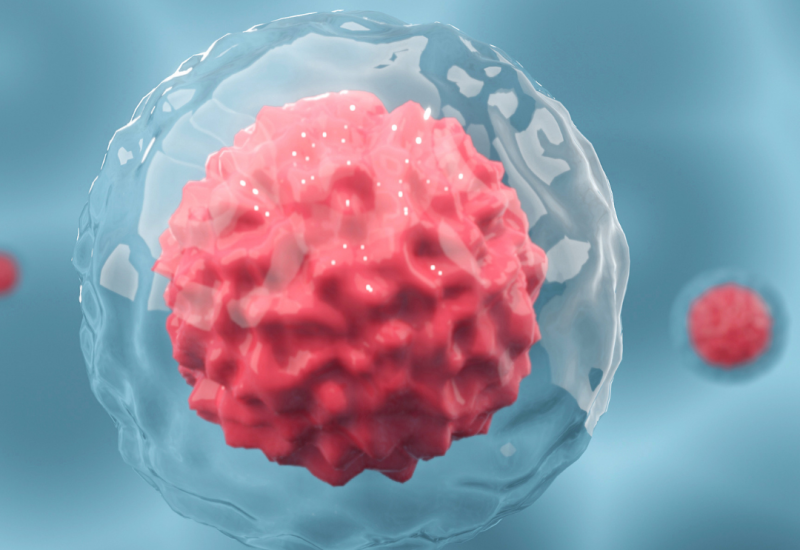
Why Extra Embryos Are Created During IVF
During an IVF cycle, fertility specialists typically aim to create multiple embryos in order to maximize the chances of pregnancy.
This means a cycle may produce:
• One embryo transferred to the uterus
• Additional embryos frozen for future use
Freezing embryos provides important flexibility for family planning. Many patients who undergo IVF later use these frozen embryos for future pregnancies. Embryos are preserved using a process called cryopreservation, which safely freezes embryos at extremely low temperatures.
Research from the American Society for Reproductive Medicine (ASRM) shows that frozen embryos can remain viable for many years when stored properly. The longest reported case of a frozen embryo which resulted in a successful pregnancy is over 30 years.
Option 1: Using Frozen Embryos for Future Pregnancy
The most common answer to the question what happens to embryos after IVF is that they are saved for future family building.
Patients may choose to use their frozen embryos later through a procedure called frozen embryo transfer (FET).
Benefits of using frozen embryos later include:
• Avoiding another egg retrieval procedure
• Lower cost compared to repeating IVF
• Ability to plan additional children
• Flexible family planning timeline
• Better embryo potential due to younger maternal age
Many patients return to their fertility clinic years later to use frozen embryos for a second pregnancy.
Option 2: Continued Embryo Storage
Some patients are not ready to decide what happens to embryos after IVF immediately.
In these situations, embryos can remain frozen in long-term storage while patients take time to consider their options.
Fertility clinics offer ongoing embryo storage programs that allow patients to maintain flexibility in their decisions.
Embryos can safely remain frozen for many years without compromising their potential for future pregnancy.
Option 3: Embryo Donation to Another Family
Embryo donation allows individuals or couples experiencing infertility to attempt pregnancy using donated embryos.
This option may appeal to patients who:
• Do not plan additional pregnancies
• Want to help another family experience parenthood
Embryo donation programs typically involve:
• Legal agreements
• Counseling
• Medical screening
Many fertility clinics partner with organizations that coordinate embryo donation programs.
Option 4: Donating Embryos to Scientific Research
Some individuals choose to donate embryos to research institutions studying fertility and reproductive medicine.
Research involving embryos has helped advance:
• IVF technologies
• Genetic testing methods
• Fertility preservation techniques
Patients interested in this option can discuss research programs with fertility clinics.
Option 5: Compassionate Embryo Disposition
Some patients choose compassionate disposition, a respectful process that acknowledges the emotional significance of embryos.
This option allows patients to conclude embryo storage in a way that reflects their personal beliefs and values.
Fertility specialists often provide counseling support to help patients navigate these decisions.
Emotional Considerations
For many patients, deciding what happens to embryos after IVF can be emotionally complex.
Patients may experience:
• Gratitude for successful treatment
• Emotional attachment to embryos
• Uncertainty about future family plans
Fertility clinics encourage patients to take their time when making these decisions.
There is rarely a need to decide immediately.
Frequently Asked Questions | What Happens to Embryos After IVF?
How long can embryos stay frozen?
Is IVF the only option for single parents by choice?
How long does the IVF process take?
Can embryos be frozen for future children?
Discuss Your Embryo Options
If you are wondering what happens to embryos after IVF, speaking with a fertility specialist can help clarify your options. Davies Fertility & IVF Specialists supports patients throughout Chicago, North Shore and those traveling from Wisconsin, with thoughtful and personalized fertility care.